Since Uganda attained independence in 1962, no period has been more transformative for the country’s development than the era under the National Resistance Movement (NRM) government led by President Yoweri Kaguta Museveni. Over nearly four decades, the NRM has guided Uganda from instability to peace, from economic collapse to steady growth, and from isolation to regional leadership. The government’s achievements cut across every sector—security, infrastructure, education, health, sports, technology, and national pride.
The NRM’s foremost and most enduring contribution has been the restoration of peace and security. When it assumed power in 1986, Uganda was fragmented by conflict. The NRM re-established stability, disarmed rebel groups, and built a professional and disciplined national army—the Uganda People’s Defence Forces (UPDF). Today, the UPDF stands as one of the most respected forces on the African continent. Beyond safeguarding Uganda’s borders, it has contributed to peacekeeping missions in Somalia, South Sudan, the Democratic Republic of Congo, and the Central African Republic. The army has also played a key role in national development through its engineering brigades, disaster response, and infrastructure construction—proving that security and progress are inseparable.
On the economic front, the NRM government has delivered consistent growth and modernization. Through market liberalization and sound fiscal management, Uganda has achieved macroeconomic stability and significant poverty reduction. Initiatives such as Operation Wealth Creation (OWC) and the Parish Development Model (PDM) are empowering millions of households to create wealth at the community level. Uganda’s agriculture, industry, and services sectors are thriving, supported by large investments in energy, transport, and communication.
The NRM has prioritized infrastructure development as a cornerstone of national transformation. Thousands of kilometers of roads have been constructed and upgraded, linking all regions of the country and promoting trade, tourism, and access to services. Landmark projects such as the Kampala-Entebbe Expressway, Isimba and Karuma hydropower dams, and the expansion of Entebbe International Airport have modernized Uganda’s landscape. The construction of the Kabalega International Airport in Hoima—one of the largest infrastructure projects in the country—is a game changer that will support the oil and gas industry, promote regional trade, and position Uganda as a new aviation and investment hub. The ongoing Standard Gauge Railway (SGR) and the establishment of industrial parks are further transforming Uganda into a competitive manufacturing and logistics powerhouse.
In the education sector, the introduction of Universal Primary Education (UPE) and Universal Secondary Education (USE) remains one of the NRM’s most transformative achievements. Millions of children who once had no access to education now attend school. The establishment of more public universities and vocational institutions has created opportunities for youth to acquire practical skills and participate in national development. This human capital growth has strengthened Uganda’s position as a country investing in its future generation.
In health, the NRM government has greatly expanded medical infrastructure and improved service delivery. New hospitals and health centers have been built, existing ones upgraded, and access to medicines enhanced. Maternal and child health indicators have improved, life expectancy has risen, and Uganda continues to excel in disease prevention through strong immunization programs and effective management of outbreaks such as HIV/AIDS, Ebola, and COVID-19.
The NRM’s focus on science, technology, and innovation is steering Uganda toward a modern, knowledge-driven economy. The establishment of the National ICT Innovation Hub, the Innovation Fund, and the Ministry of Science, Technology and Innovation has created an enabling environment for creativity and research. The expansion of broadband connectivity, digital government services, and ICT training in schools has bridged the technological gap, empowering Ugandans to compete globally. Local innovators are creating solutions in fintech, agriculture, and health technology that are transforming livelihoods.
In sports, the NRM government has revitalized Uganda’s presence on the international stage. With deliberate investment in sports infrastructure and talent development, Uganda has produced world-class athletes like Joshua Cheptegei, Peruth Chemutai, and Jacob Kiplimo. National teams, including the Uganda Cranes and Uganda Hippos, continue to bring pride to the nation. The renovation of Mandela National Stadium (Namboole) and the ongoing construction of the state-of-the-art Hoima City Stadium, which will host matches during the 2027 Africa Cup of Nations, showcase the government’s commitment to promoting sports as a tool for unity, tourism, and youth empowerment. These projects, along with new regional sports facilities, are laying a strong foundation for sports excellence and community engagement across the country.
Socially, the NRM has promoted women and youth empowerment, ensuring inclusivity in governance and development. Women now occupy leadership positions in all sectors, while programs like the Youth Livelihood Fund and Emyooga are empowering young entrepreneurs. Affirmative action policies have ensured equal participation of marginalized groups in politics, education, and the economy.
Finally, the NRM’s foreign policy has elevated Uganda’s image globally. The country’s active role in regional integration, peacekeeping, and Pan-African cooperation has made Uganda a respected voice in the East African Community, African Union, and United Nations. This commitment to diplomacy and stability has attracted partnerships that continue to boost Uganda’s development agenda.
In conclusion, the NRM government has fundamentally reshaped Uganda’s destiny. From restoring peace and unity to modernizing every sector of national life, its legacy is one of progress, resilience, and visionary leadership. Through strategic planning, inclusive growth, and steadfast patriotism, the NRM has placed Uganda firmly on the path toward prosperity and middle-income status—a legacy that future generations will proudly inherit and build upon.
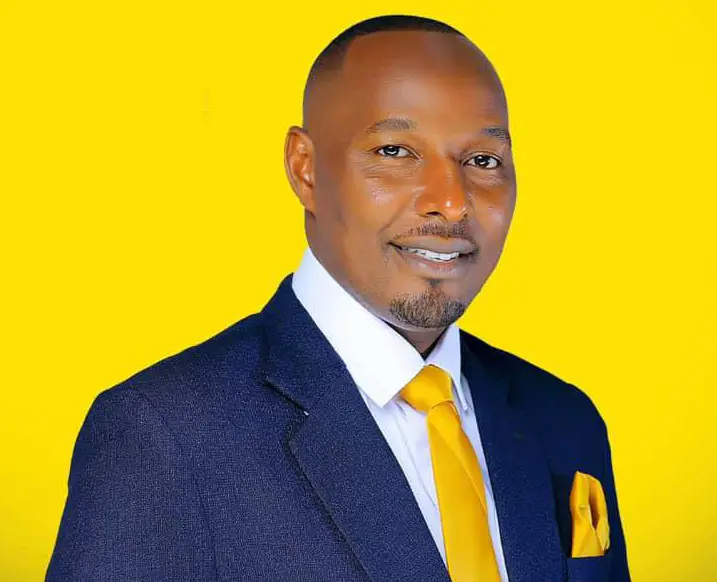
By Eng. Jonard Asiimwe
NRM Vice Chairperson, Western Region