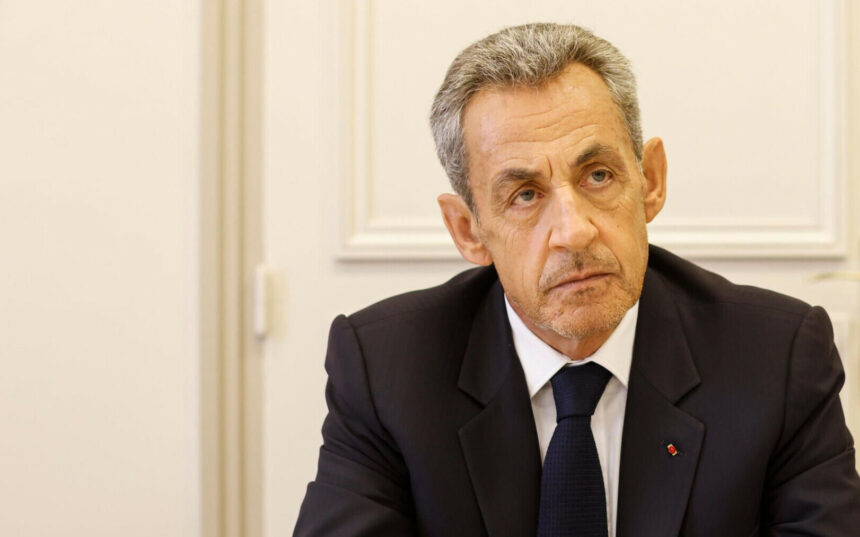
In a moment that has stirred both shock and reflection across Europe, former French President Nicolas Sarkozy has begun serving a five-year prison sentence after being convicted of criminal conspiracy linked to alleged illegal campaign financing from Libya during his 2007 presidential bid.
Sarkozy, who led France from 2007 to 2012, arrived at La Santé Prison in southern Paris on Tuesday morning. Escorted by a heavy police convoy, he waved to supporters gathered outside his residence before being driven off to the facility where he is expected to spend his sentence — possibly in a secured “VIP wing” designed for high-profile inmates such as politicians and former law enforcement officers.
The court found that Sarkozy played a key role in a network that sought funds from the regime of late Libyan leader Muammar Gaddafi, allegedly in exchange for political favors. Though Sarkozy has appealed the ruling, the court ordered that the sentence be enforced immediately while the appeal process continues.
In a statement issued before entering prison, the 70-year-old former leader maintained his innocence, describing his imprisonment as a “judicial scandal.” He said, “It’s not a former president being locked up this morning, it’s an innocent man.” Sarkozy further expressed sadness for what he called a “humiliation for France.”
Legal experts note that Sarkozy’s case represents an unprecedented chapter in modern French politics. While other former presidents have faced corruption allegations, none had previously set foot in a cell. The decision underscores the growing resolve of French courts to hold even the highest leaders accountable for campaign-related crimes.
Despite the controversy, Sarkozy remains a significant figure in France’s conservative political circles. His allies continue to describe the ruling as politically motivated, while others see it as a strong reminder that justice applies to all — regardless of status.
As his appeal process begins, attention now turns to whether Sarkozy might be granted early release or alternative detention due to his age and standing. For France, however, the broader question lingers: how a nation once led by him will reconcile its image of justice, politics, and public integrity.